
Why Floating?
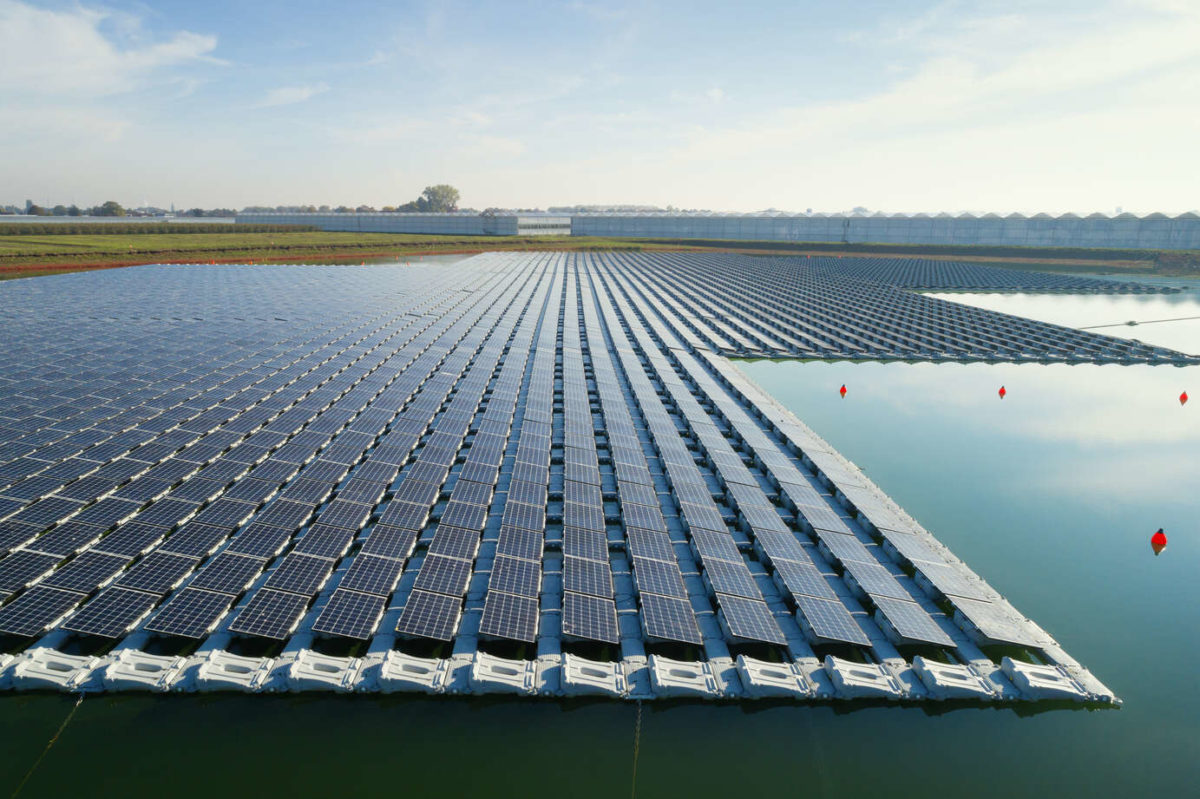
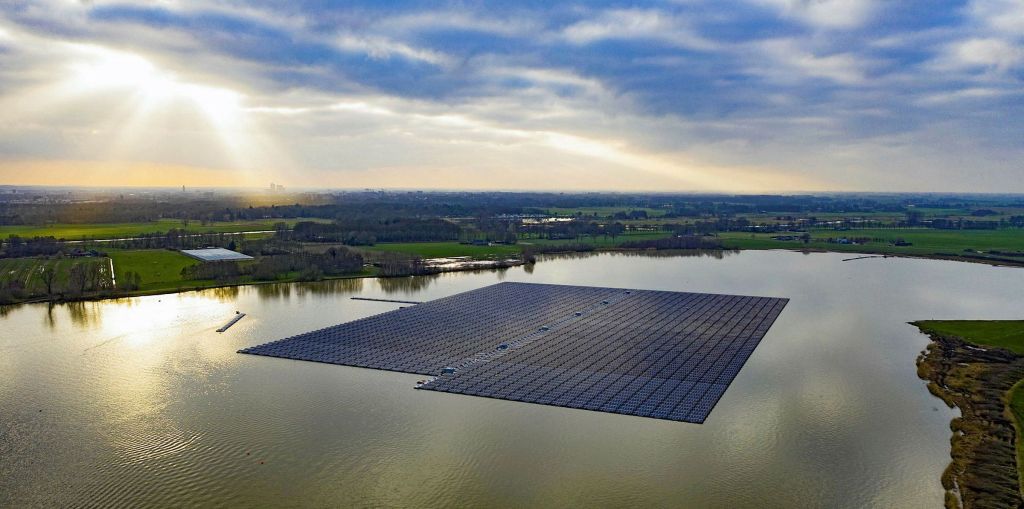
We are taking a different approach to renewable energy development – solar energy is one of the most land intensive activities out there, so we are ditching the land and diving in the water. This eliminates the need to use valuable land that in most areas is scarce and expensive, and allows for the opportunity to develop unused water surface area.
Floating solar arrays reliably deliver power while also benefiting from increased operational efficiency from the water keeping equipment cool and increased power generation efficiency from light reflected off the water surface back to the solar array. Unlike traditional ground mount solar arrays, there is no need to clear trees or flatten land. This is a key financial advantage for floating arrays as the cost savings extend over design, engineering, and construction expenditures.
@ PV Magazine
@ Concord Servicing
The Development Process
Site Selection – Assessing feasibility, environmental impact, and access to the grid.
Permitting – Securing zoning, environmental, and interconnection permits.
Engineering – Creating system layout, electrical integration, and interconnection arrangements.
Financing – Funding, estimating costs, incentives, and potential.
Procurement – Purchasing equipment: solar panels, inverters, combiner boxes, floating pontoons, moorings, and wiring.
Construction – Site preparation, equipment installation, deployment, and grid connection.
Testing and Commissioning – Verifying system functionality and connecting to the grid.
Operation and Maintenance – Continuous monitoring of performance, cleaning of panel faces, and conducting regular maintenance.
Decommissioning – Recycling panels and other equipment at the end of the system’s life.
Suitable Sites
Reservoirs
Retention ponds
Lakes
Ponds
Coastal waterways
Areas should be close to existing electrical infrastructure, have little to no fishing or recreation activity, and have adequate accessible space along the shoreline.

@ Ciel & Terre, SolarQuarter
 floatovolt